Navigating the Complexity of Mother’s Day
Updated: Aug 13

Mother’s Day can be a beautiful occasion. Yet, for some, it feels like walking through a celebration where everyone else seems to have received a map that you never got. Not everyone grew up enveloped in the kind of motherhood that the world likes to showcase in pastel colours.
Acknowledging Different Experiences
Some children lost their mothers so young that they only know them through stories and photographs. Others were raised by fathers who became both parents overnight. Many grew up held together by grandparents, aunties, foster carers, older siblings, or wonderfully exhausted women who stepped in when life fell apart. And then, there are those who carry an even more complex grief: the grief of having a mother who was physically present but emotionally unsafe.
This is the part of Mother’s Day messaging that often struggles to find space.
The world loves absolutes around motherhood. Phrases like:
“There is no greater love than a mother’s love.”
“Mums are everything.”
But for some children, that simply wasn’t their experience.
For some, mum was absence.
For others, unpredictability.
For some, addiction.
For some, violence.
For others, a story interrupted too soon.
The Weight of Grief
Sitting with these realities can create a strange loneliness when celebrations arrive. Grief is challenging enough without feeling like your experience somehow disqualifies you from the conversation.
But love does not only arrive in biological forms.
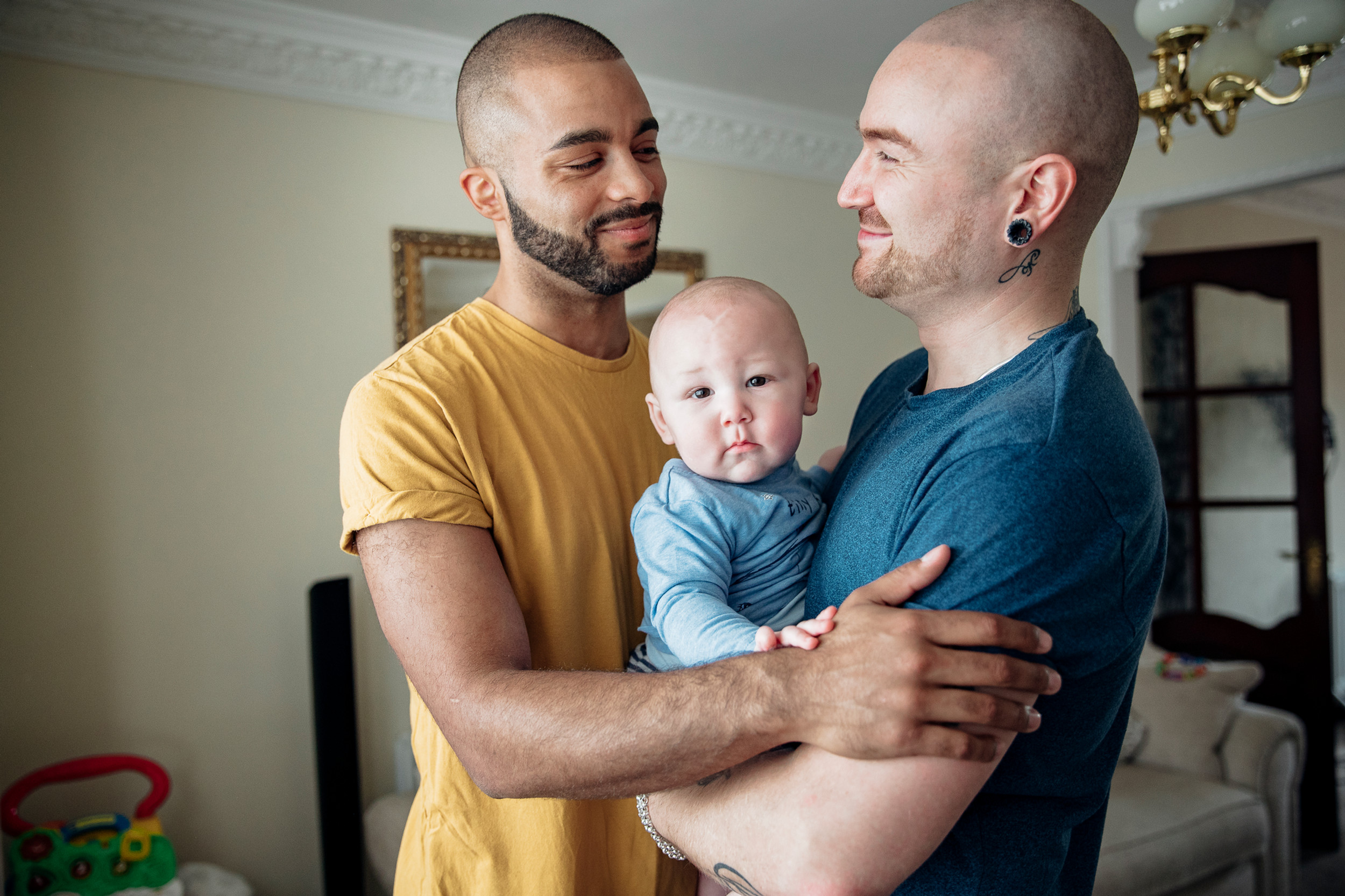
Some children were raised by fathers who learned to braid hair through YouTube tutorials at midnight. Others were nurtured by grandparents who were already tired from one lifetime of parenting but quietly began again anyway. Some were supported by aunties who attended every school concert without ever asking for recognition.
Families are often built by love far more than by structure. Perhaps that is what deserves honouring too. Not just motherhood itself, but the humans who step into nurturing roles when life becomes complicated.
Embracing Your Feelings
So, if Mother’s Day feels confusing for you, if it stirs sadness, anger, numbness, gratitude, or all of them before lunchtime, remember: you are not broken. You are simply carrying a story that is more complicated than the greeting cards allow room for. And complicated stories still deserve tenderness.
Finding Your Own Path
It’s essential to carve out your own path on this day. You might consider creating a new tradition that resonates with your experience. Perhaps you could light a candle in memory of those you’ve lost or write a letter to your younger self, acknowledging your feelings and experiences.
The Power of Connection
Connecting with others who understand can also be healing. Sharing your story with friends or joining a support group can help you feel less isolated. You might be surprised to find that many people share similar feelings.
Celebrating Alternative Figures
Consider celebrating those who have played a nurturing role in your life. Whether it’s a grandmother, aunt, or friend, honouring these relationships can bring joy and warmth to your day.
Reflecting on Your Journey
Take some time to reflect on your journey. What have you learned from your experiences? How have they shaped you into the person you are today? Embracing these reflections can be empowering.
Moving Forward
As we move forward, let’s remember that Mother’s Day is not just about celebrating traditional motherhood. It’s about recognising the myriad ways love can manifest. It’s about honouring those who step in when life gets tough.
In the end, love is what truly matters. So, let’s lean into that love, however it looks in our lives.
And if you ever feel overwhelmed, remember that it’s okay to seek support. You’re not alone, and your feelings are valid.
Let’s create a space where all stories are welcomed, where every experience is acknowledged, and where love, in all its forms, is celebrated.
If you’re looking for more resources or support, feel free to explore The Poppet Centre. We aim to be your go-to resource for navigating modern challenges, providing expert advice and practical support to empower parents and improve family well-being across Australia and parts of Asia. Together, we can foster stronger, more resilient family units.


Comments